
In the bustling world of retail, keeping up with customer demands can feel like juggling flaming torches while riding a unicycle. Enter retail software—the superhero of the shopping realm. It streamlines operations, manages inventory, and even helps businesses understand their customers better. Who knew that a few lines of code could save so many headaches?
Imagine a tool that not only tracks sales but also helps predict trends like a crystal ball for your store. With the right retail software, businesses can transform chaos into efficiency, making it easier to focus on what really matters: delighting customers and boosting profits. So, let’s dive into the world of retail software and discover how it can turn your store from a circus act into a well-oiled machine.
Overview Of Retail Software
Retail software plays a critical role in today’s fast-paced retail environment. Businesses utilize various software solutions to streamline operations and improve efficiency. By managing inventory effectively, retail software reduces the likelihood of stockouts and overstock situations.
Understanding customer behavior becomes easier with the right software tools. Retail software provides insights into buying patterns, helping retailers tailor their offerings to meet customer needs. Enhanced customer engagement is possible through personalized marketing strategies supported by this software.
Sales tracking is another essential feature of retail software. Real-time sales data allows retailers to make informed decisions quickly. Predicting trends becomes more precise with historical sales analysis, fostering proactive inventory management.
Integration with e-commerce platforms expands retail software functionality. Omnichannel retailing enables businesses to reach customers across multiple channels, improving overall customer satisfaction. Seamless payment processing enhances convenience, contributing to higher sales volumes.
Reporting capabilities provided by retail software help businesses identify best-selling products and peak shopping times. Retailers gain actionable insights through detailed analytics, enabling strategic planning for inventory and marketing campaigns. Efficiently allocating resources becomes a reality with accurate data at their fingertips.
Retail software is vital for any retail business aiming for success. Prioritizing customer satisfaction and operational efficiency through the right software solutions leads to increased profitability and growth. Retailers that invest in robust software tools set themselves up for sustained success in a competitive market.
Types Of Retail Software
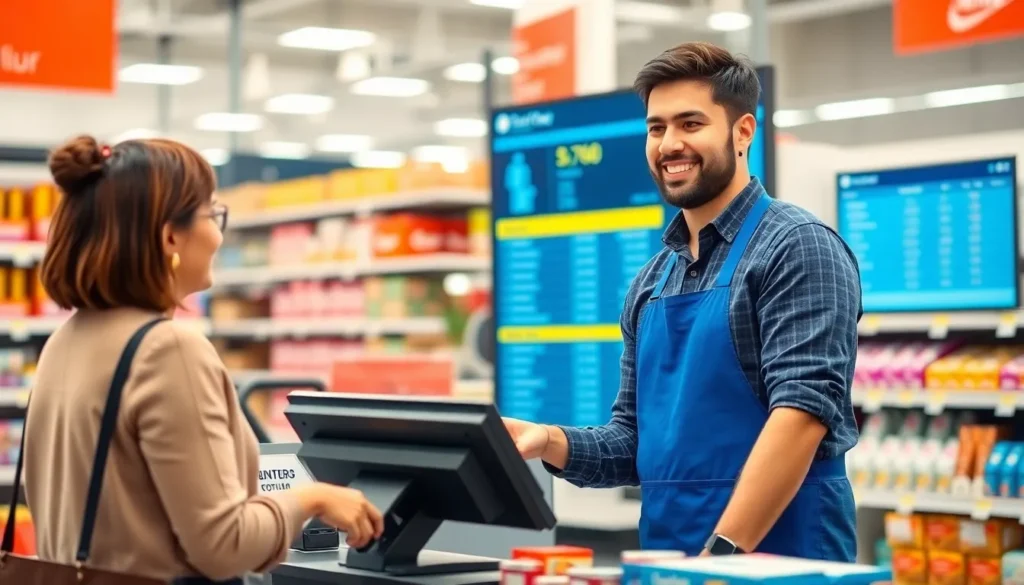
Retail software encompasses various types designed to enhance operational efficiency and customer satisfaction. Understanding these types aids in selecting the right solutions for specific business needs.
Point Of Sale (POS) Systems
POS systems streamline transactions, making checkout efficient and user-friendly. They process sales quickly and accurately, collecting essential transaction data. Many POS systems offer features like inventory tracking, receipt generation, and sales analytics. Businesses benefit from real-time insights, allowing them to make informed decisions swiftly. Integrating a modern POS system enhances customer experience, offering them convenient payment methods while ensuring seamless operation on the sales floor.
Inventory Management Software
Effective inventory management software optimizes stock levels, preventing both stockouts and overstock situations. It automates order management and provides real-time inventory tracking. Retailers gain insights into sales patterns and forecast demand with greater accuracy. Inventory alerts help maintain adequate stock levels, ensuring popular items remain available. This software minimizes manual errors and facilitates smoother audits and reporting, empowering retailers to manage resources efficiently and strategically.
Customer Relationship Management (CRM) Tools
CRM tools enable retailers to build strong customer relationships by centralizing data and improving communication. They track customer interactions, purchase history, and preferences, allowing for personalized marketing efforts. With targeted campaigns, retailers can boost engagement and loyalty significantly. These systems analyze customer behavior and feedback, helping retailers understand trends and areas for improvement. Through better customer insights, retailers can tailor their services, ultimately enhancing overall satisfaction and driving sales growth.
Benefits Of Retail Software
Retail software provides significant advantages for businesses in the competitive retail landscape. It enhances efficiency and improves customer experiences, contributing to overall success.
Improved Efficiency
Retail software significantly streamlines operations. Automating routine tasks reduces manual effort, allowing employees to focus on more strategic activities. Inventory management features minimize stock discrepancies, ensuring products are always available. Real-time data access supports timely decision-making, which is crucial for adapting to market changes. Sales tracking capabilities allow retailers to evaluate performance instantly, identifying trends and making necessary adjustments. Time-saving features enhance operational workflows, increasing productivity across various departments. Ultimately, improved efficiency leads to lower operational costs and increased profitability.
Enhanced Customer Experience
Customer satisfaction greatly benefits from retail software implementation. Personalization emerges as a key factor in enhancing shopping experiences since the software analyzes customer preferences. With tailored marketing campaigns, retailers foster stronger connections with their audience. Streamlined payment processes ensure fast and secure transactions, reducing wait times at checkout. Integrating loyalty programs becomes easier, incentivizing repeat purchases and enhancing customer retention. Real-time inventory visibility informs customers about product availability, strengthening trust and excitement. Enhanced customer experiences ultimately drive brand loyalty, resulting in long-term business growth.
Challenges In Implementing Retail Software
Implementing retail software often presents various challenges that retailers must navigate. These issues can arise across several aspects of the business.
Cost Considerations
Cost plays a significant role in the implementation process. Initial expenses for purchasing software can be substantial, especially for advanced systems that promise extensive functionalities. Ongoing maintenance and support costs also add to the financial burden. Organizations may need to invest in training for staff, which can incur additional costs due to lost productivity during the learning phase. Despite these challenges, choosing cost-effective solutions that provide long-term benefits remains crucial for sustaining profitability.
Integration Issues
Integration of retail software with existing systems poses another major challenge. Compatibility with legacy systems often creates hurdles, requiring additional adjustments or customizations. Delays in integrating new software can disrupt operations and create confusion among staff. Adopting new tools without seamless integration may limit the software’s effectiveness, impacting the overall efficiency. Focusing on software vendors that offer robust integration support can alleviate many of these issues and improve the transition process.
Retail software is more than just a tool; it’s a vital component for thriving in today’s competitive landscape. By streamlining operations and enhancing customer engagement, it empowers retailers to make informed decisions that drive growth. The ability to manage inventory efficiently and personalize marketing efforts ensures that businesses can meet customer needs effectively.
While challenges exist in implementation and integration, the long-term benefits of investing in quality retail software far outweigh the initial hurdles. Retailers who embrace these technologies are better positioned to adapt to market changes and foster lasting customer relationships. Ultimately, adopting the right retail software can transform a business’s approach to customer satisfaction and profitability.


